NCLEX-RN · Original practice · September 29, 2026
NCLEX-RN Respiratory Assessment: Recognize a New Breathing Change
A respiratory question often asks you to distinguish a familiar chronic condition from a new acute change. Focus on what the client can do now: speak, breathe comfortably, maintain usual activity and follow the established plan. A single oxygen-saturation reading is only one cue. The goal in a priority question is to recognize who needs immediate attention and when team help is required.
The official NCSBN 2026 test plans describe the client-needs framework. This independent guide offers original teaching examples, not official or recalled exam items, diagnosis or treatment instructions.
Which cues indicate a new problem?
Read for increasing work of breathing, a change in the ability to finish sentences, altered mental status, new cyanosis and a worsening trend in observed measurements. Check the client's prior assessment before calling an observation baseline. The exam scenario may omit history; use only the information given rather than inventing normal values for the client.
Use anatomy to organize the assessment
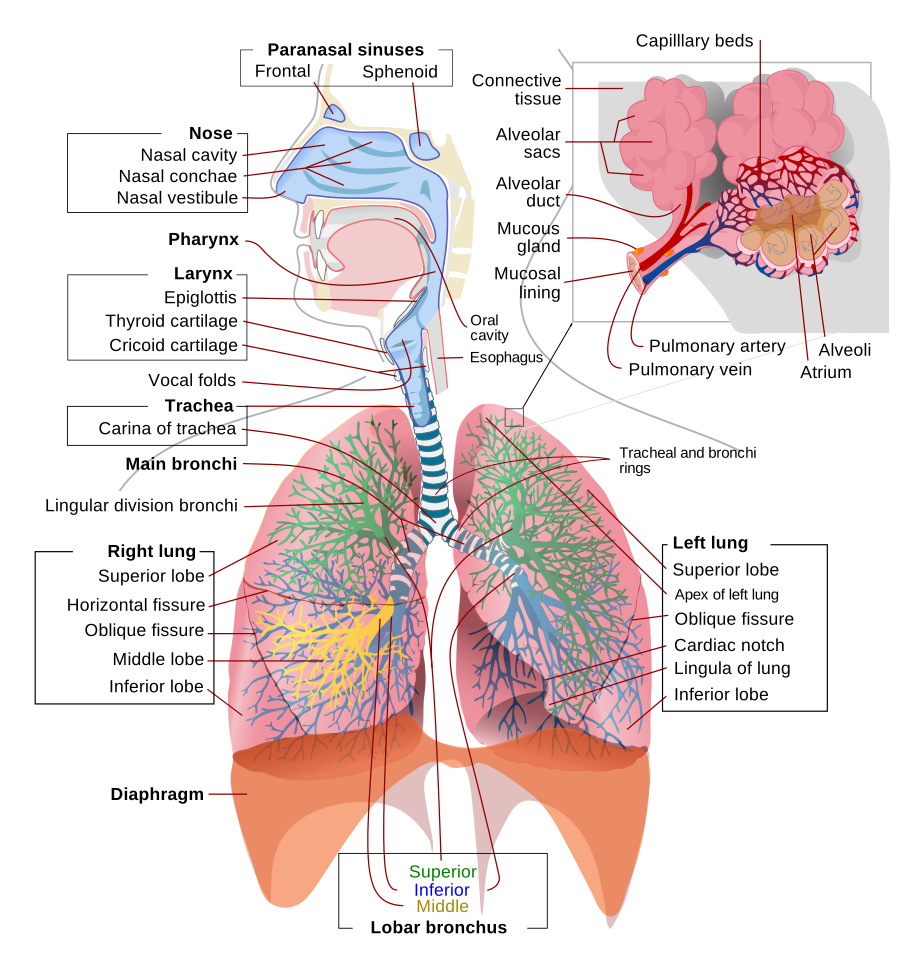
The labeled respiratory image traces airflow from upper airways into the lungs. It can help you remember that airway patency, ventilation and gas exchange are related but not identical. A study image is not a diagnostic scan. Do not infer a specific obstruction or lesion from a general diagram; connect the image to what the scenario reports about breathing.
What does the RN do first?
Attend to the patient, assess airway and breathing, and call for assistance if the change appears severe, following local rapid-response procedures. Do not delay a concerning change until a scheduled check. An order or device setting should never be improvised from a short example question. Once immediate safety is addressed, communicate the new cues and time course to the care team.
Avoid the chronic-disease shortcut
A history of lung disease does not make a new inability to speak normally routine. Conversely, a stable reading that is expected for a particular person cannot be judged without context. When two clients both have respiratory diagnoses, prioritize the one with a newly worsening condition. Write down which symptom changed and what assessment would confirm its significance.
Free original example · NCLEX-RN
Try the question
A client with a documented chronic lung condition was conversational at 10:00. At 10:30 the RN finds the client sitting upright, using accessory muscles and speaking only two words at a time. What is the priority?
- Document it for the next shift
- Promptly assess breathing and summon appropriate help
- Ask the client to take a walk
- Assume these findings are usual for this diagnosis
Answer: B
A sudden change in speaking ability and work of breathing requires prompt assessment and escalation. Do not attribute acute deterioration to a chronic diagnosis or wait for the next routine round.
This article question is separate from the paid workbooks and the existing question bank.
Common questions
Is oxygen saturation always the first respiratory cue?
No. Work of breathing, ability to speak and mental status may indicate urgency even before a measurement is available.
Should every respiratory complaint trigger the same action?
No. Compare the client's baseline and current severity; follow the individualized plan and facility escalation policy.
Keep studying
Pair respiratory questions with a structured cue-and-trend review, then compare your rationale with the RN client-needs examples.
Educational study content only. Local policy and jurisdiction determine real clinical practice. NCLEX® is a registered trademark of NCSBN; NCLEXVault is independent and not endorsed by NCSBN.